Fashion design brief template
Define the customer, product objective, design changes, selling points, and risks before technical development.
First assortment sizing
For most small online brands, four to eight distinct styles is a practical first collection. Start with two to four when budget and demand evidence are limited, and move toward eight to twelve only when the styles share a clear customer, price, and merchandising plan.
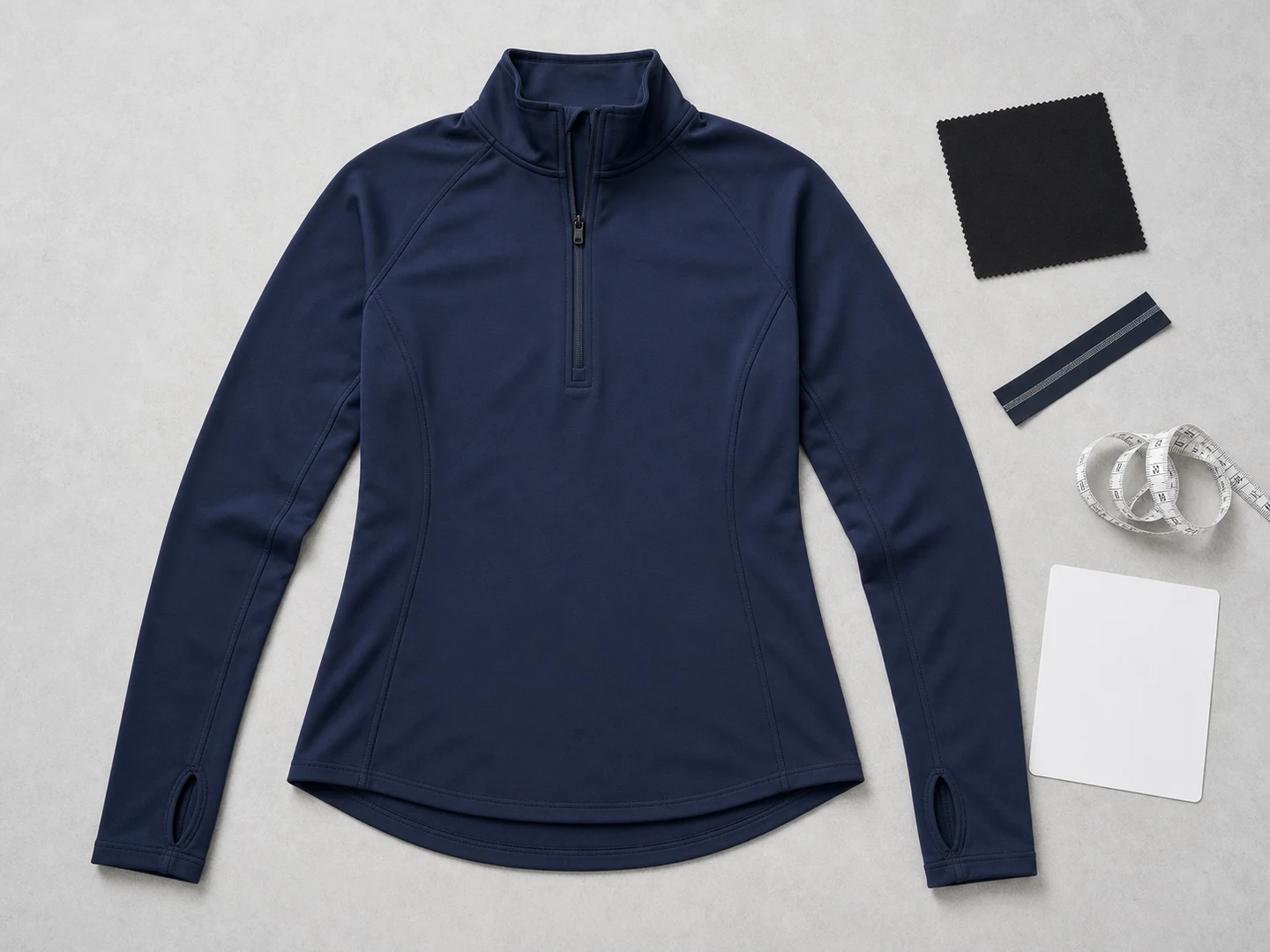
Four to eight styles can show a coherent point of view without forcing a new brand to finance a large assortment. It is enough room for a hero product, lower-risk companions, a visual statement, and a useful entry or bundle option.
If you are testing an unproven audience, two to four strong styles can be more responsible. A small launch is not incomplete when each style has a clear role and enough stock depth to serve real customers.
Four styles in two colors and five sizes already create 40 SKUs. That multiplication matters more to cash flow than the headline number of designs.
A six-style blouse collection might include one recognizable hero, two lower-risk everyday variants, one occasion version, one entry-price option, and one seasonal fabric edition. The products share a customer and visual cue while giving each product page a different buying reason.
ModaExtend can generate four to twelve extension directions, but the generator count is a comparison set. You should select only the strongest styles for technical development and sampling.
When the budget is tight, fewer well-developed products are usually safer than many lightly specified products. Protect fit, fabric, workmanship, photography, and customer support first. Cut duplicated styles, weak colorways, and speculative sizes before compromising the core product.
Review a completed example, then download an editable template for your own product line.
Define the customer, product objective, design changes, selling points, and risks before technical development.
Give a factory clear keep, change, and confirm instructions plus practical questions for the first sample.
Review a completed four-SKU collection with assortment roles, fabric direction, selling points, and production risks.
Yes, when the four styles share a clear customer and product story. Give each style a distinct role and keep the color-size matrix realistic for your budget.
Plan samples by development stage rather than a fixed universal number. A style may need a prototype, fit sample, size-set or grading review, color or material approval, and a pre-production sample depending on complexity and supplier process.
They are usually colorways of the same style, but each color-size combination becomes a separate SKU and can add fabric minimums, photography, forecasting, and leftover inventory risk.
No. Generate enough directions to compare customer value and risk, then sample only the strongest options that fit the collection budget and supplier capability.