Fashion design brief template
Define the customer, product objective, design changes, selling points, and risks before technical development.
First collection guide
A first clothing line does not need dozens of unrelated designs. Start with one recognizable product direction, define a specific buyer, and build a small collection whose styles share a clear reason to exist.
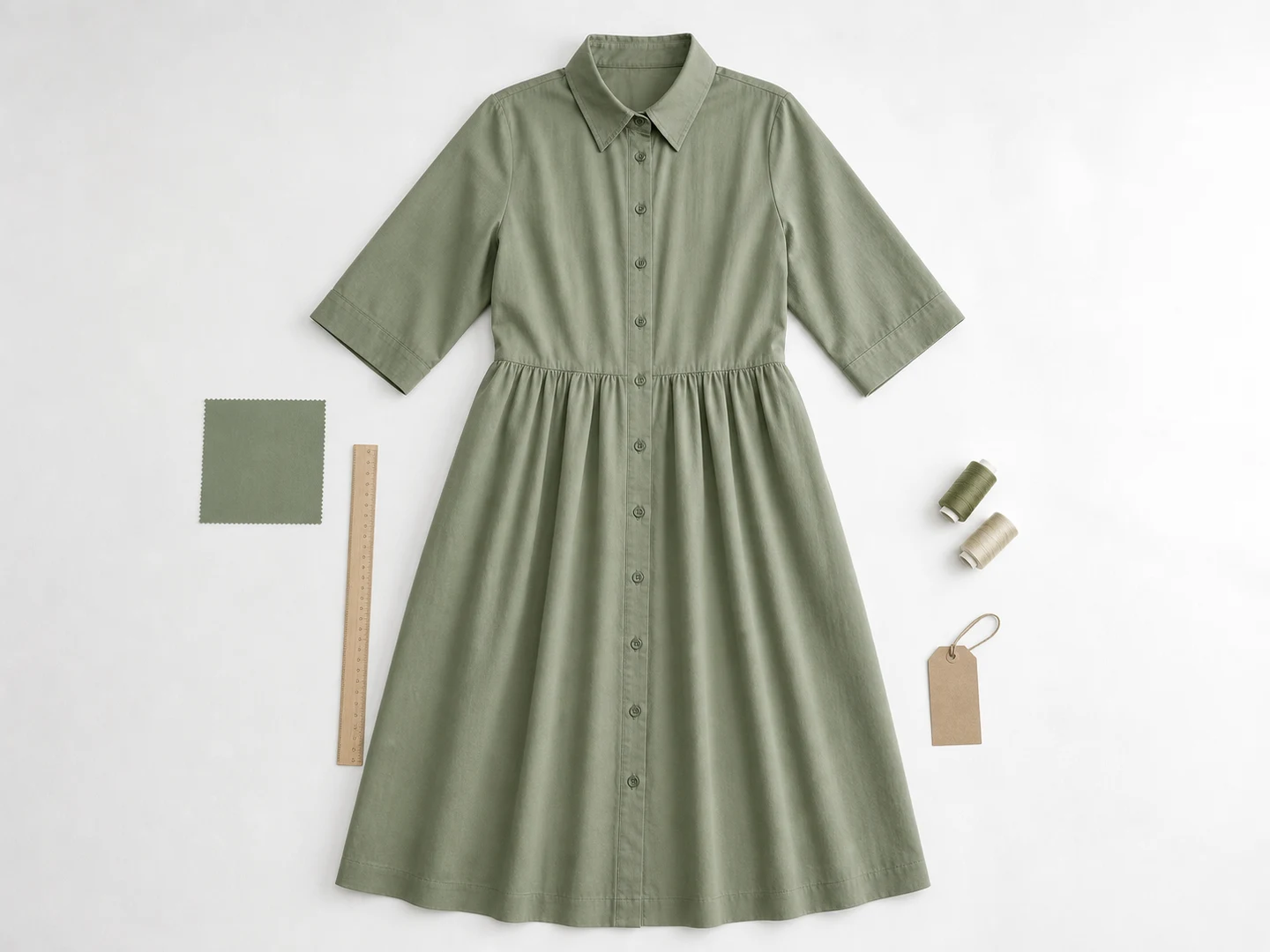
Choose a specific customer, use occasion, retail price band, region, and selling channel. A line for office commuters at $55-$85 needs different fabrics, fit, photography, and supplier decisions from a trend-led festival collection at $25-$45.
Write one sentence that explains who the customer is, what problem the line solves, and why the first product belongs in that customer wardrobe.
A useful reference may be your own sample, a sketch, a past bestseller, or a garment that demonstrates the silhouette and function you want. Identify the one or two cues worth preserving, then change the proportions, occasion, fabrication, price role, or styling function.
Do not send a supplier an image and ask for the same product. Document what must remain recognizable, what should change, and which details require original technical development.
For each proposed style, record the customer reason, design change, silhouette, fabric direction, target price, selling point, production difficulty, and risk. Compare the styles as one assortment before commissioning technical packs.
A development brief prevents the first supplier conversation from becoming a mix of screenshots, assumptions, and untracked chat messages.
A small first collection should reveal which silhouette, price, use occasion, and product story customers respond to. Track product-page engagement, waitlist signups, preorders or sales, returns, fit feedback, and supplier issues. Use those signals to extend the next line from evidence rather than adding random styles.
Review a completed example, then download an editable template for your own product line.
Define the customer, product objective, design changes, selling points, and risks before technical development.
Give a factory clear keep, change, and confirm instructions plus practical questions for the first sample.
Review a completed four-SKU collection with assortment roles, fabric direction, selling points, and production risks.
There is no universal amount. Your budget depends on design complexity, pattern and tech pack work, fabric minimums, sample rounds, order quantity, sizes, colors, testing, freight, duties, photography, and marketing. Build a bottom-up budget from supplier quotes.
It becomes difficult when product, inventory, and supplier decisions are made at the same time without a clear brief. A focused customer, small assortment, staged samples, and written decision gates make the process more manageable.
Business structure, tax, labeling, and consumer rules depend on your country and selling markets. Consult a qualified local accountant or attorney before taking orders or signing production contracts.
Four to eight distinct styles is a practical range for many small online brands. A two-to-four-style test can be safer when capital is limited, while larger assortments require stronger demand evidence and inventory control.